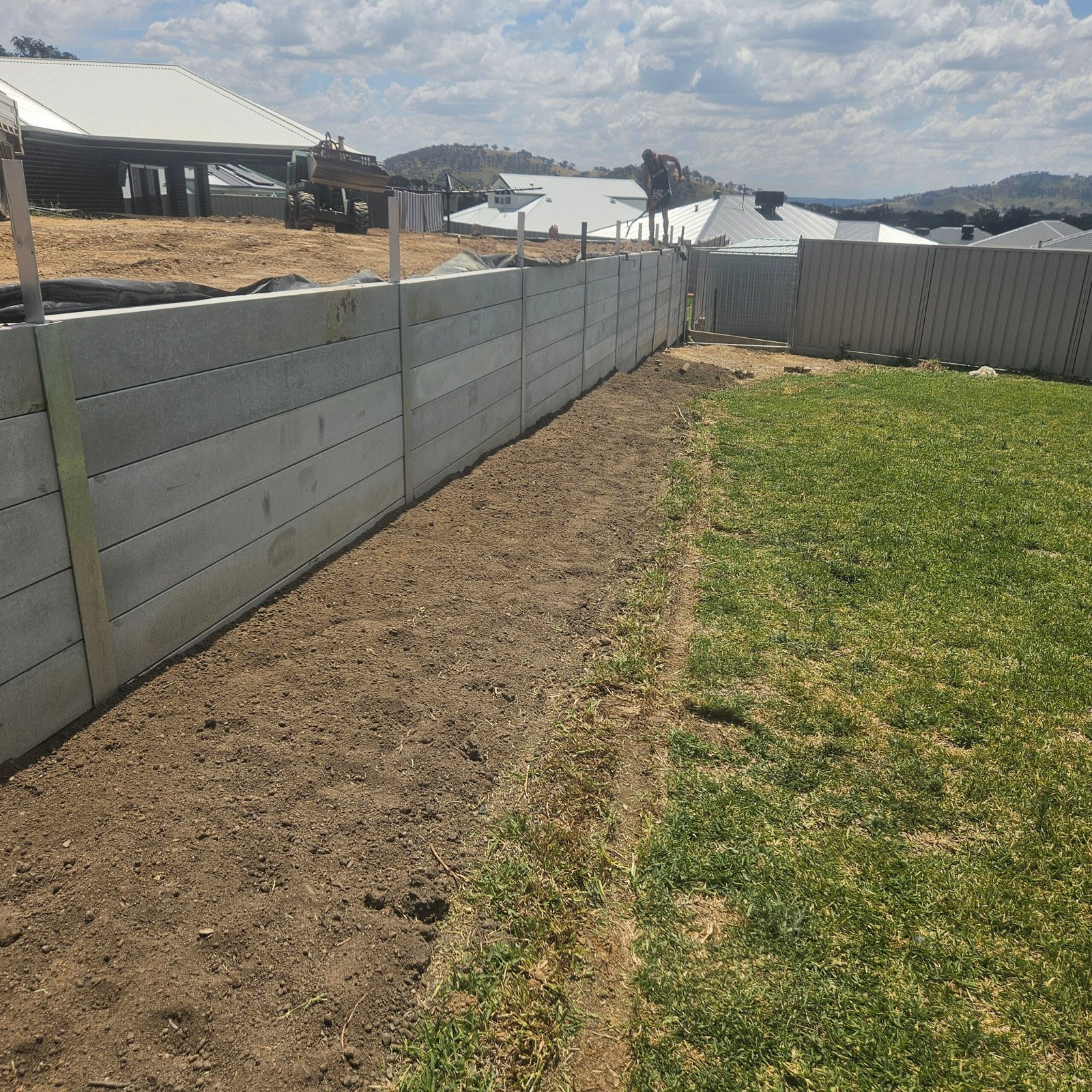
A1 Retaining primarily constructs concrete sleeper retaining walls and gabion retaining walls.
The appropriate system depends on wall height, slope, soil, access, drainage requirements, nearby structures and the finish wanted for the property.
LOCAL RETAINING WALL ADVICE
Straightforward information about retaining walls, drainage, excavation, access, engineering and quoting across Albury Wodonga.
BEFORE CONSTRUCTION BEGINS
The wall needs to suit the slope, soil, drainage, access, nearby structures and the amount of ground being retained.
These answers explain common retaining wall and earthworks considerations before requesting a quote.
Every property is different. General information cannot replace a site-specific assessment, engineering advice or council guidance where those are required.
SEARCH THE ANSWER CENTRE
Showing all questions
A1 Retaining primarily constructs concrete sleeper retaining walls and gabion retaining walls.
The appropriate system depends on wall height, slope, soil, access, drainage requirements, nearby structures and the finish wanted for the property.
Concrete sleepers do not rot or attract termites like timber. However, the performance of the complete wall also depends on suitable posts, footings, drainage and backfill.
Water around the property still needs to be managed after the wall is completed.
A gabion wall uses wire cages filled with rock. It creates a strong, textured appearance and may suit properties where a natural-looking retaining system works with the landscape.
There is no single wall system that is best for every property. The decision should consider height, loads, soil, drainage, access, appearance and surrounding structures.
Send several clear photographs, the property suburb, approximate wall length and height, access information and your preferred wall style.
Also mention drainage problems, an existing wall, boundaries, nearby structures or plans already prepared.
Start your quote request →Good photographs and measurements can help with an initial assessment. A site inspection or further information may still be needed to confirm levels, soil, machinery access, excavation, disposal and drainage.
Old-wall removal can be included. The approach depends on the existing material, wall condition, access, disposal and whether nearby soil or structures need protection.
Access affects machinery size, excavation methods, material movement and project time. Include gate width, fences, stairs, sheds and obstacles when sending your enquiry.
Water building up behind a wall can increase pressure on the structure.
Depending on the site, drainage may involve suitable aggregate, geofabric, agricultural pipe and an appropriate discharge location.
Warning signs may include leaning, bulging, widening cracks, moving soil, sinking paving, rotting timber, displaced sleepers or persistent water around the wall.
Avoid standing near a wall that appears unstable and arrange an appropriate assessment.
Sometimes drainage can be improved separately, depending on access, wall condition and what is already behind it.
If the wall has moved or structurally deteriorated, replacement may be more appropriate than drainage-only work.
Requirements can depend on wall height, boundary position, soil, drainage, nearby buildings and loads above the wall.
Requirements should be confirmed with the relevant engineer, council or building authority before construction.
Important factors include wall length and height, material, excavation, access, soil or rock, disposal, drainage, engineering, approvals and finished ground levels.
This is why accurate site information is more useful than a simple price per metre.
Boundary position can affect access, drainage, engineering and approval requirements. The property boundary and relevant responsibilities should be confirmed before construction.
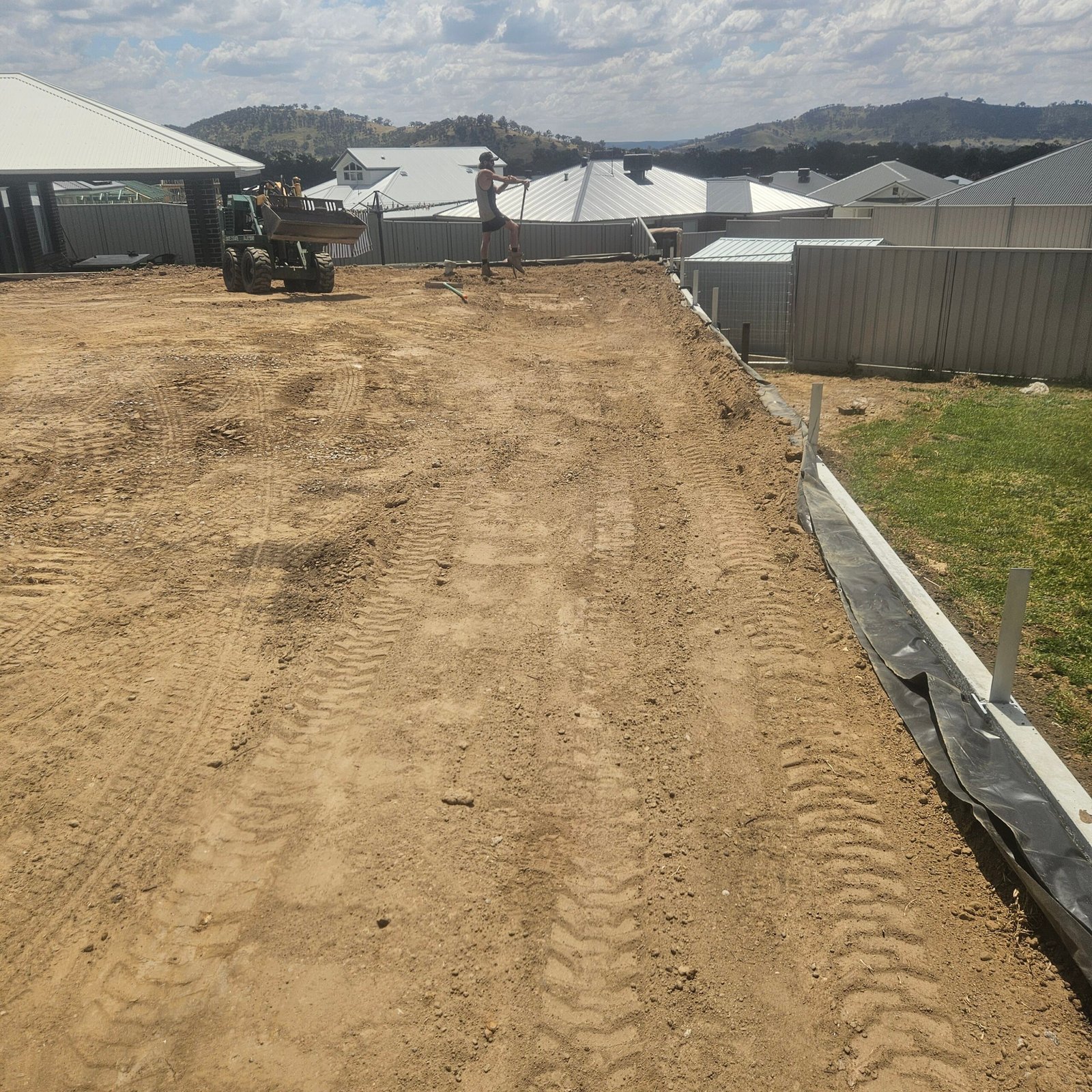
Yes. Excavation, site shaping, access preparation, backfilling and surrounding earthworks can be included in the project scope.
Ground levels, drainage and watering areas can be considered when preparing the property for lawn, irrigation and landscaping.
A1 Retaining works across Albury, Wodonga, Thurgoona, Baranduda and surrounding Border-region communities.
Include your suburb or property location when requesting a quote so availability can be reviewed.
Try a shorter search, choose another category or send information about your property directly.
LOCAL RETAINING INFORMATION
YOUR PROPERTY HAS ITS OWN ANSWER
Tell us where the property is, what the ground is doing and what you want the finished area to become.